Anyone comparing dental implants today eventually runs into the word screwless. It sounds like a marketing label, but it describes a real difference in how the crown is attached to the implant post inside the jawbone. Traditional implants use a small screw that runs through the crown into the abutment; screwless dental implants use dental cement instead, bonding the crown directly onto the abutment surface. That single design choice changes the appearance, the maintenance routine, and even how a dentist approaches repairs.

This guide walks through what screwless actually means, how the method works step by step, where it shines, where it falls short, and who should consider it. We also look at how it compares with screw-retained implants for missing teeth, front teeth, and back teeth restorations, since the right choice often depends on the location in the mouth.

What Screwless Dental Implants Really Mean

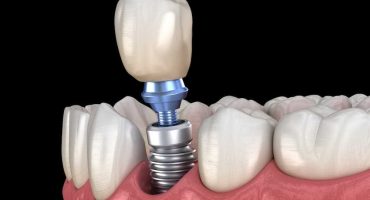
A dental implant, in the traditional sense, consists of three parts: the titanium post placed in the jawbone, the abutment that connects to it, and the crown on top. In a screw-retained implant, a screw runs vertically through the crown and abutment, tightening everything into one stable unit. A dentist can access that screw later through a small opening called the screw access hole.

Screwless systems remove that access hole entirely. The crown is bonded to the abutment with dental cement in the dental office, creating a seamless surface with no visible screw hole anywhere on the tooth. For patients who want a natural-looking front tooth restoration, that missing hole matters a lot — a gray dot on an otherwise white crown is hard to hide, especially on upper front teeth.

Screw-Retained vs. Cement-Retained: The Real Difference

The terms screw-retained and cement-retained (often called screwless) describe how the crown attaches, not what the implant post itself is made of. Both approaches still use a titanium implant post anchored in bone. The difference sits at the connection between abutment and crown.

  • Screw-retained implants: a screw holds the crown in place; the crown can be removed by unscrewing it, leaving a covered access hole visible on the biting surface.
  • Cement-retained (screwless) implants: the crown is cemented onto the abutment; removal requires the dentist to section or drill off the crown, since there is no screw to loosen.

Traditional implants with screw retention are often preferred for back teeth, where chewing forces are higher and a dentist may need to make adjustments over the years. Screwless dental implants tend to be favored for front teeth, where esthetics carry more weight than easy retrievability.

How Screwless Dental Implants Work

Understanding how screwless dental implants work helps explain why so many patients ask about them for visible teeth. The process generally follows three steps.

  1. Implant placement. The titanium implant post is placed into the jawbone, where it fuses with surrounding bone tissue over a period of healing that depends on bone density and overall oral health.
  2. Abutment placement. Once the post has integrated, the dentist attaches the abutment, the connector piece that will support the crown. Its surface is shaped and smoothed to guide a precise fit.
  3. Crown bonding. The custom crown is cemented onto the abutment using dental cement, creating a friction-fit and chemical bond that holds it firmly in place without any screw.

The result is a restoration that looks and feels close to a natural tooth, with a smooth surface and no metal access point breaking up the appearance. Because there is no screw hole to fill, the crown surface can be polished evenly across its whole width.

Benefits of Screwless Implants

Screwless implants offer a few concrete advantages, mostly tied to appearance and comfort rather than raw mechanical strength.

  • Natural appearance. Without a visible screw hole, the crown surface is uninterrupted, which matters most on upper front teeth where a small dot of composite filling material can catch the light.
  • Comfort. The cemented connection distributes bite forces slightly differently, and some patients report the surface feels smoother against the tongue and gums.
  • Simplicity for the patient. There is no access hole to keep clean separately, which can simplify daily oral hygiene around the crown margin.
  • Esthetic flexibility. Dentists have more freedom in shaping the crown, since they are not designing around a hole that has to align with the screw channel below.

These benefits are real, but they come with trade-offs discussed below — screwless is not automatically the better choice for every tooth or every patient.

Risks and Complications of Cement-Retained Systems

No restoration is risk-free, and screwless systems carry a specific set of risks tied to the cement itself.

Excess dental cement can seep below the gum line during bonding. If not fully removed, it may irritate the surrounding gum tissue and, over time, contribute to inflammation around the implant. This is one of the most commonly cited complications with cement-retained crowns, and it requires a careful, experienced hand during placement.

Because the crown is bonded rather than screwed, retrieval is harder. If the crown chips, the bite needs adjustment, or the implant develops an issue underneath, the dentist may need to drill off the crown rather than simply loosening a screw. That means more time in the chair and, in some cases, a new crown altogether.

Loosening is less common with cement-retention than with screws, since there is no mechanical thread to work its way undone through years of chewing. But when a cemented crown does fail, the fix tends to be more involved than it is with a screw-retained implant.

Are Screwless Implants as Stable as Screw-Retained Implants?

Stability depends on two separate things: how well the implant post is anchored in the jawbone, and how securely the crown attaches to the abutment. The bone integration process is identical whether the final crown is screwed or cemented — it depends on bone density, healing time, and the patient's general health, not on the retention method.

At the crown-to-abutment connection, a well-placed cemented crown can be extremely stable and support normal chewing without issue. A poorly executed screw connection can loosen; a poorly executed cement job can allow leakage. In short, the strength of either system depends more on the skill of the implantologist than on which method is chosen. Neither approach is inherently weaker for daily use, though screw-retained implants remain the standard for teeth under heavy chewing load in the back of the mouth, mainly because they are easier to check and re-tighten.

Who Is a Good Candidate for Screwless Dental Implants?

Screwless dental implants suit certain cases better than others. A good candidate typically has:

  • A missing front tooth or teeth where visible screw holes would be a cosmetic concern.
  • Adequate bone density at the implant site, confirmed during consultation and imaging.
  • Healthy gums with no active periodontal issues that would complicate cement placement.
  • Realistic expectations about the trade-off between appearance and ease of future adjustments.

Patients who need frequent bite adjustments, have a history of implant complications, or are restoring back teeth under heavy chewing forces are often better candidates for screw-retained implants instead, since the crown can be removed without damaging it. An implantologist evaluates jawbone structure, the specific tooth being replaced, and the patient's oral health before recommending one option over the other — this is not a one-size-fits-all decision, and a proper consultation is worth the time before committing to either system.

What Does the Placement Procedure Involve?

The placement procedure for a screwless implant follows the same early stages as any implant treatment: an initial consultation, imaging to assess bone density and jawbone structure, and surgical placement of the titanium post. Healing before the crown stage usually spans several months while the post integrates with bone.

Once integration is confirmed, the abutment is attached, and the custom crown is cemented on. Because there is no screw access hole to seal afterward, the final visit is often shorter than with a screw-retained restoration, though the dentist still needs time to check the bite and remove any excess cement from around the gum line before the patient leaves.

Patients who are also dealing with a damaged natural tooth elsewhere might read more about a dental crown to understand how crown materials and procedures compare across restorations, since the crown itself is built the same way whether it sits on an implant or a prepared tooth.

How Should You Maintain a Screwless Implant Long-Term?

Maintenance for cement-retained implants centers on keeping the gum line around the crown margin clean, since trapped plaque there is harder to spot than around a screw-retained crown with a visible access point. Regular checkups let the dentist look for any sign of gum irritation from residual cement.

Good daily care matters as much here as with natural teeth. Reviewing proper brushing technique helps patients clean around the crown margin without damaging the gum tissue, and routine professional teeth cleaning catches buildup that a toothbrush alone misses. Long-term success also depends on the same factors that affect how long a dental implant lasts generally — bone health, hygiene, and avoiding excessive load on the crown.

Patients on certain medications should also be aware that some drugs affect healing and bone integration; it's worth reading about dental implants and medications before starting treatment. Anyone anxious about the procedure itself may find it useful to look into dental anxiety and what helps ahead of the consultation.

Final Thoughts on Choosing Between the Two Systems

The choice between screwless and screw-retained implants isn't really about which is universally better — it's about matching the system to the tooth, the patient's bone density, and what matters more: retrievability or a seamless natural appearance. Front teeth restorations lean toward cement-retained crowns for cosmetic reasons; back teeth restorations, where forces are higher and adjustments more likely, often lean toward screw-retained implants. For patients replacing several teeth, an implantologist may even mix approaches within the same mouth, similar to how full-arch options are planned in an All-on-4 treatment.

What both systems share is the same foundation: a titanium post integrated into healthy bone, supporting a crown built to last for years with proper care. The retention method is the last decision in a much longer process, not the first one.

FAQ

What exactly does 'screwless' mean for dental implants?

Screwless means the crown is cemented onto the abutment with dental cement rather than held in place with a screw. There is no screw access hole running through the crown, so the surface looks continuous and natural, particularly on front teeth.

How are screwless implants different from regular ones?

Regular, screw-retained implants use a screw that runs through the crown into the abutment, leaving a small covered hole on the biting surface. Screwless implants skip that hole entirely, bonding the crown directly to the abutment instead, which changes both the look of the restoration and how it's removed if needed.

Can screwless implants be removed if needed?

Yes, but it's more involved than with a screw-retained crown. Because there's no screw to loosen, the dentist typically has to section or drill off the cemented crown to access the abutment, which usually means the crown can't be reused afterward.

Are there any downsides to screwless dental implants?

The main downside is harder retrievability — repairs or adjustments require removing the crown by drilling rather than unscrewing it. There's also a risk of excess dental cement irritating the gum tissue if not fully cleaned away during placement.

Are screwless dental implants as strong as ones with screws?

The strength of the implant itself depends on how well it integrates with the jawbone, which is the same for both systems. At the crown connection, a well-placed cemented crown can be just as stable for daily chewing as a screw-retained one, though screw-retained implants remain more common for high-force back teeth because they're easier to check and adjust.

Sources

Certified implantologists from our network

Every practice in our network is admitted only after meeting the quality criteria of Leading Implant Centers.

Find an implantologist near you

Our Scientific & Advisory Board developed these admission criteria and takes part in reviewing new member practices. Quality criteria · Scientific & Advisory Board