
When someone loses most or all of their teeth, the phrase that comes up in almost every consultation is full mouth dental implants. It sounds like one procedure, but it actually covers a family of restorations — from a fixed All-on-4 arch to a full set of individually placed implants supporting a bridge. The price tag attached to that work varies more than almost any other dental procedure, because it depends on how much bone is left, what material the final arch is made from, and how many surgical steps a patient needs before the prosthetic teeth ever go in.

Overview of this article
What Full Mouth Implants Actually Replace: Fixed Arches vs Removable Dentures
Full mouth implants are not one product. In most practices the term covers a fixed, implant-supported arch — often called a full-arch bridge or prosthesis — that is screwed onto a small number of implant posts and does not come out. That is different from an implant-retained denture, which snaps onto two or more implants but can still be removed by the patient for cleaning.
The fixed option, sometimes built on a titanium frame with an acrylic or zirconia layer on top, is what most people picture when they hear full mouth dental implants. It behaves like natural teeth: no adhesive, no daily removal, and normal chewing force. A removable overdenture costs less because it uses fewer implants and simpler attachments, but it still relies on some of the same daily care as a traditional denture, just anchored more securely.
Both options replace a full arch of missing teeth, upper, lower, or both. The choice between fixed and removable affects the total price significantly, because a fixed full-arch prosthesis usually requires more implants per arch and a more advanced prosthetic. Patients comparing options should also look at telescopic denture designs, which sit between a removable denture and a fully fixed bridge in terms of stability and cost.
All-on-4 vs All-on-6 vs All-on-8: What's the Difference
The number after "all-on" refers to how many implant posts support one arch. All-on-4 implants use four strategically angled posts per arch — two straight in the front and two tilted in the back, which lets the surgeon avoid the sinus cavity and often skip a separate bone grafting step. All-on-6 uses six implants, spreading the biting load further and giving more support for a heavier zirconia prosthesis. All-on-8 is less common and typically reserved for patients with unusual anatomy or a history of bone loss severe enough that more anchor points are needed.
More implants generally mean a higher cost, but not always a better outcome. All-on-4 was designed specifically to work with a lower jawbone volume, so a patient who would need extensive bone grafting for six implants might get a comparable clinical result from four, at a lower price. The right number depends on a CT scan, the density of the jaw, and how the surgeon plans to distribute the load across the arch. For a deeper look at how the four-implant approach compares on cost and design, see this breakdown of All-on-4 dental implants and full arch pricing.
How Full Mouth Implants Differ From a Single Dental Implant
A single dental implant replaces one missing tooth: one titanium post, one abutment, one crown. Full mouth treatment scales that logic across an entire arch, but it is not simply the single-tooth price multiplied by the number of missing teeth. Because a full arch is supported by only four to eight implant posts rather than one implant per tooth, the surgical fee per implant often drops, while the prosthetic fee for a full custom bridge or denture rises.
The clinical planning is different too. A single implant case usually needs one imaging scan and one surgical visit. A full mouth case often needs extractions of remaining damaged teeth, a healing period, sometimes a bone graft, then implant placement, then another healing period before the final teeth are attached. Patients researching a single tooth replacement first should compare the two paths using this dental implant cost guide, which covers per-tooth pricing in more detail, alongside general background on the dental implants procedure.
What Affects the Price: Bone Grafting, Extractions & Material Choices
Five factors move the price of a full mouth case more than anything else.
- Bone grafting and extractions. Years of missing teeth cause bone loss in the jaw. If imaging shows insufficient bone height or width, the surgeon will recommend grafting before or during implant placement, sometimes including a sinus lift for the upper jaw. Extractions of failing teeth add another surgical step and, often, another healing period.
- Number of implants and their arrangement. Four posts per arch cost less than six or eight, but the right number depends on bone density and bite force, not on price alone.
- Material of the final prosthetic. A zirconia arch costs more than an acrylic one but resists wear and staining far better over the long term. Many practices offer a temporary acrylic prosthesis first and a zirconia one later, which spreads the cost across the healing timeline.
- Sedation and surgical complexity. IV sedation, general anesthesia, and same-day surgery all add to the total, especially for patients undergoing extractions and implant placement in one visit.
- Location and provider experience. A practice with in-house imaging, its own lab, and an implantologist with significant surgical experience often prices differently than a general practice that outsources parts of the process.
Any one of these can shift a quote considerably, and most full mouth cases involve at least two or three of them at once.
Cost by Component: Implant Posts, the Prosthetic Arch & Sedation
Breaking a quote into its components helps explain why two practices can hand a patient very different numbers for what looks like the same procedure. A full mouth quote typically bundles: the surgical placement of the implant posts themselves; any grafting or extractions needed beforehand; the abutments that connect the posts to the prosthetic; the final arch, whether acrylic, titanium-reinforced acrylic, or zirconia; and the sedation or anesthesia used during surgery.
Imaging is its own line item in many practices — a 3D scan is standard before full mouth treatment because it lets the surgical team plan implant angles around nerves, the sinus, and existing bone. Follow-up visits, adjustments to the temporary prosthesis during healing, and the fitting of the final restoration are sometimes included in a package price and sometimes billed separately. Before accepting a quote, it is worth asking directly what is included in the upfront number and what would be billed later as an additional fee. Patients also often underestimate ongoing care: ordinary professional teeth cleaning around implants is different from cleaning natural teeth and is usually not part of the initial treatment package.
Why Do Full Mouth Implant Quotes Vary So Widely?
Two patients with the same number of missing teeth can receive quotes that differ substantially, and the reason is rarely the practice trying to overcharge. The most common hidden variables are the amount of bone grafting actually needed once the surgeon opens the site, whether extractions were included in the original estimate, and whether the quote assumed a temporary acrylic prosthesis or the restoration from day one.
A lower quote is not automatically the better deal. It can mean fewer implants supporting the arch, a thinner acrylic prosthetic instead of zirconia, no sedation included, or a treatment plan that defers the bone grafting a patient will likely need later — turning one upfront fee into two staged ones. It is worth asking any provider directly whether their number includes extractions, grafting, temporary teeth during healing, the final prosthesis, and a set number of follow-up visits. A quote that leaves those out looks smaller on paper but rarely ends up cheaper overall.
Does Dental Insurance Cover Full Mouth Dental Implants?
Standard dental insurance plans were built around fillings, crowns, and basic restorations, not full-arch surgical reconstruction, so coverage for full mouth dental implants is usually partial at best. Many plans exclude implants entirely or cap the annual benefit at a level that covers only a fraction of a full mouth case. Some plans will contribute toward the crown or bridge portion of treatment while excluding the surgical placement of the implant itself, since that part is sometimes classified as a medical rather than dental procedure.
Because of that gap, supplemental dental insurance plans exist specifically to add coverage for major procedures like implants, and they are worth reviewing before treatment starts rather than after a quote arrives. Patients should also ask their provider whether any part of the case might be covered as a medically necessary extraction or bone graft rather than a purely cosmetic restoration, since that distinction sometimes changes what a plan will pay.
How Long Do Full Mouth Implants Last?
Titanium implant posts, once properly integrated into the jawbone, are designed to function for decades. The prosthetic teeth on top have a shorter practical lifespan. An acrylic full-arch prosthesis typically needs replacement or significant repair after several years of normal chewing, while a zirconia arch tends to hold up longer against wear and staining, though it comes at a higher material cost.
Long-term success depends on maintenance that looks a lot like caring for natural teeth: daily cleaning around the implant posts, regular professional check-ups, and prompt attention if a section of the prosthetic feels loose. Smoking and untreated gum disease are two of the biggest risks to implant longevity, since both interfere with the bone's ability to stay healthy around the post. For more detail on what determines how long an implant lasts and what care extends that lifespan, see this overview of dental implant durability and the factors affecting lifespan.
The Treatment Process, Start to Finish
A full mouth case begins with a consultation and imaging — usually a 3D scan of the jaw that lets the surgical team see bone density, sinus position, and nerve location before any surgery is planned. That visit typically produces a treatment plan spelling out how many implants each arch needs, whether extractions or bone grafting come first, and which prosthetic material is recommended.
Surgery day itself often combines several steps: extraction of any remaining damaged teeth, placement of the implant posts, and grafting where needed, all in one appointment under sedation. Many practices then fit a temporary prosthesis the same day, so the patient does not leave without teeth during healing. That healing period, while the bone integrates with the implant, generally runs a few months before the final restoration is placed. Follow-up visits during that stretch check on healing and adjust the temporary prosthetic as gum tissue settles. Once healing is confirmed through imaging, the surgeon replaces the temporary piece with the final, custom-fitted arch — an appointment that usually also includes a bite check to make sure the finished restoration sits correctly against the opposing teeth.
Choosing the Right Implantologist for a Full Mouth Case
Full mouth treatment is surgical, prosthetic, and long-term all at once, which is why the provider matters as much as the material chosen. An implantologist who handles the surgical placement, the grafting, and the prosthetic planning under one roof — rather than referring pieces of the case to separate offices — tends to give a more coordinated timeline and a single point of accountability if something needs adjustment later.
Before committing, it is reasonable to ask how many full mouth cases the implantologist has completed, what imaging technology the practice uses, whether the arch is designed and milled in-house or sent to an outside lab. Patients weighing implants against other restorations for a partial case should also compare the running costs of a dental bridge or a dental crown, since a full arch is not always the right solution when only a few teeth are missing.
FAQ
What exactly counts as full mouth dental implants?
The term covers any restoration that replaces all, or nearly all, of the teeth in one or both arches using implant posts as the anchor. That can mean a fixed full-arch bridge screwed onto four to eight implants, or a removable implant-supported denture that snaps onto fewer posts. Both fall under the same general category even though the daily experience and cost differ significantly.
What are the five main factors that move the price?
The biggest drivers are the amount of bone grafting and extractions required, the number of implants placed per arch, the material used for the final prosthetic, the type of sedation used during surgery, and the provider's location and in-house capabilities. Any combination of these can shift a quote well above or below what another patient pays for what looks like a similar case.
Is a lower quote always a better deal?
No. A lower number often means fewer implants, a simpler acrylic prosthetic instead of zirconia, no sedation included, or bone grafting deferred to a later, separately billed appointment. Comparing quotes only makes sense once each one is broken down by what it actually includes.
What's the process like, start to finish?
Treatment starts with a consultation and 3D imaging, followed by a surgical appointment for extractions, implant placement, and any needed grafting, usually with a temporary prosthesis fitted the same day. After a healing period of several months while the bone integrates with the implants, the temporary piece is replaced with the final, custom-fitted arch.
Sources
- Dental Implants (StatPearls) — National Center for Biotechnology Information, NIH
- Dental Benefits: An Introduction — American Dental Association
- Dental Implants — American Association of Oral and Maxillofacial Surgeons
- Dental Implants — American Academy of Periodontology
- Dental Implants — Cleveland Clinic
Certified implantologists from our network
Every practice in our network is admitted only after meeting the quality criteria of Leading Implant Centers.
-
 Zahnarztpraxis Finkeldey
Düsseldorf, Germany
-
 Prof. Dr. Preetinder Singh
THE DENTAL SPECIALISTS
MOHALI, India
-
 Dr. Avi Schettrit
North Broward Center for Laser Periodontics and Implants
Deerfield Beach, United States
Find an implantologist near you


Our Scientific & Advisory Board developed these admission criteria and takes part in reviewing new member practices. Quality criteria · Scientific & Advisory Board
More articles
Methods and material
Read more: Ceramic implant
Ceramic implant
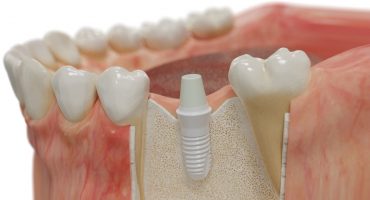
For those who want a metal-free restoration or are intolerant to titanium implants, ceramic implants are an excellent alternative. This material is also prized for its bright, tooth-like color, thanks to the dark shimmering metal edges in the anterior region.
Methods and material
Read more: CAMLOG-Implant
CAMLOG-Implant
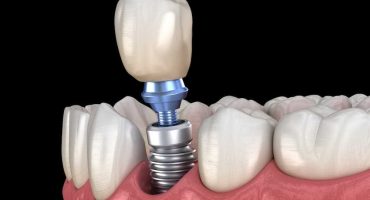
The company CAMLOG is one of the leading manufacturers in the field of implantology and produces dentures for the highest demands. In Wimsheim near Stuttgart, both complete systems and individual, implant-supported dental prosthesis products are manufactured.