
Getting a straight answer to what a dental implant costs is harder than it should be. The reason is that an implant is not one line item — it is a surgical placement, a healing period, and a visible restoration, and each of those three parts carries its own price. This guide breaks down what patients actually pay, what insurance and financing can offset, and where the hidden costs tend to hide.

Overview of this article
What Does a Single Tooth Implant Cost?
A single tooth implant replaces one missing tooth with a titanium post, an abutment, and a crown on top. The implant post itself — the part surgically placed into the jawbone — is usually the smallest line item once you add up the whole treatment. Most of the total cost of dental implants for a single tooth comes from the surgical placement, the abutment that connects post to crown, and the crown itself, which can be porcelain, zirconia, or a porcelain-fused-to-metal build.
A straightforward single-tooth case, with healthy bone and no extraction needed, sits at the lower end of the national average. A case that requires an extraction first, or where the jawbone has already lost density, adds separate procedure fees before the implant is even placed. Patients coming from a failed root canal treatment sometimes ask whether an implant is even the right next step; that comparison is covered in more depth in this overview of implants after root canal treatment.
Dental Implant Costs by Type: Bridges, Dentures, and Full Arch Options
Not every missing-tooth case calls for one implant per gap. Implant-supported bridges use two implants to support three or more replacement teeth, spreading the surgical cost across a wider span. Implant-supported dentures anchor a full removable or fixed arch onto as few as four implants, which is the basis of the All-on-4 full arch treatment concept. All-on-6 is a variation that uses two additional implants for extra support, usually recommended where jawbone density is lower or the bite load is higher.
A full-mouth case — replacing every tooth in both arches — multiplies the surgical and restorative fees, but it also replaces the cost of multiple separate single implants, so the per-tooth math often favors the arch-based approach once four or more teeth are missing on one arch. Traditional removable dentures remain the cheapest upfront option, but they don't stop the bone loss that follows tooth loss, and most patients replace them more often than an implant-supported restoration.
What's Included in the Total Cost of a Dental Implant?
A quote that only lists one number is a quote you should question. A complete estimate typically breaks into three components patients are actually paying for:
- The surgical placement of the titanium implant post into the jawbone
- The abutment, the small connector piece between the implant and the visible crown
- The crown or prosthetic itself, in materials ranging from zirconia to porcelain
Each of those three parts is billed separately in many practices, and each has its own price range. A dental crown alone varies by material, and zirconia crowns typically cost more than metal-based ones but offer a more natural look and better long-term wear. Ask specifically whether a quote covers the abutment and crown, or only the surgical placement — that single question closes most of the gap between quoted price and what patients end up paying.
Hidden and Additional Costs: Bone Grafting, Extractions, and Sinus Lifts
The headline number for an implant rarely includes what happens before placement. Bone grafting is common when jawbone density has already been lost to periodontal disease or long-term denture wear — the graft rebuilds a foundation solid enough to hold an implant post. A sinus lift is a related procedure needed for upper-arch implants where the sinus cavity sits too close to the intended implant site. Both are separate procedures with their own healing period, often four to six months before the implant itself can be placed.
Other additions that patients miss when comparing prices: extraction of a failing tooth, a bone density scan or CT imaging before surgery, sedation beyond local anesthesia, and a temporary crown worn during the healing months. None of these are optional add-ons a clinic invents — they're clinical necessities depending on the case, and skipping them to keep a quote low usually shows up later as a failed implant. Oral surgery of this kind is explained in more detail in this guide to oral surgery and dental implants.
Does Insurance Coverage Apply to Dental Implants?
Most dental insurance plans were written before implants became common, and many still classify them as cosmetic rather than medically necessary — which limits or excludes coverage entirely. Where a plan does cover implants, it usually applies to only part of the treatment: the crown might be covered under major restorative benefits while the surgical placement is excluded, or vice versa. Annual maximums on most dental insurance plans, often in the low thousands, are frequently exhausted well before a full implant case is paid off.
Medical insurance sometimes covers portions of implant treatment when the tooth loss stems from an accident or a documented medical condition rather than routine decay. A supplemental plan built specifically around major procedures can close some of that gap; see the coverage details in this guide to supplemental dental insurance. Before treatment, ask your provider's office to run a pre-determination of benefits — it tells you what your specific plan actually reimburses instead of relying on general plan language.
How Do Implants Compare to Bridges and Dentures on Cost and Value?
A traditional bridge or a removable denture will usually cost less upfront than an implant. The value comparison changes once you look past the first payment. A dental bridge requires grinding down the two neighboring teeth to anchor the crown span, which is irreversible and puts those teeth at higher long-term risk. A denture rests on the gum and shifts with jawbone changes over time, needing relining or full replacement every several years.
An implant, once integrated, functions like a natural tooth root and stops the bone loss that follows tooth loss — dentures and bridges do not. Whether that difference is worth the higher upfront investment depends on age, remaining natural teeth, and how many years of use you're planning for. Patients weighing all three options should ask their provider to price out year-ten costs, not just the initial procedure, before deciding.
What Drives the Average Cost of Dental Implants Nationally?
Geography is one of the biggest swing factors — a practice in a major metro center typically charges more than one in a smaller market, reflecting local overhead and specialist availability. The implant material itself matters too: titanium remains the standard, while zirconia implants are a metal-free alternative that typically costs more per unit but appeals to patients avoiding metal in the mouth entirely.
The provider's training also factors in. A board-certified oral surgeon or a prosthodontist handling a complex full-arch case will usually price differently than a general dentist placing a single straightforward implant. Number of implants needed, whether bone grafting is required, and the crown material chosen all move the number up or down from any published national average — which is why a phone quote without an exam is only ever a starting estimate.
Geography swings the number across borders even more than it does within one country. The calculator below gives the typical self-pay range for a single implant with crown in each country where our directory lists certified implantologists.
What does a dental implant cost in your country?
The range below shows what a single tooth — implant, abutment and crown together — typically costs as a self-pay treatment. It is not a quote; it tells you which order of magnitude to plan for.
Estimated range for one implant with crown
Not included: Bone grafting and sinus lift, 3D imaging (CBCT), extraction of a failing tooth, a temporary crown worn during healing, and follow-up care. These are billed separately and can raise the total considerably. Full-arch restorations — All-on-4 and similar — are priced on their own terms and cannot be extrapolated from the number of implants.
How Long Do Dental Implants Last, and What Does Maintenance Cost?
A properly placed and cared-for implant post can last decades, though the crown on top may need replacement after ten to fifteen years of normal wear. What actually shortens that lifespan is usually preventable: untreated gum disease around the implant site, or bruxism (nighttime teeth grinding) putting repeated stress on the crown and abutment. Details on expected lifespan and the factors that shorten or extend it are covered in this guide to how long a dental implant lasts.
Ongoing maintenance is modest compared to the initial procedure. Routine professional teeth cleaning, ideally every six months, protects both the implant and the surrounding gum tissue. Skipping these visits is one of the most common ways patients turn a one-time investment into a repeat expense.
How Can Patients Avoid Hidden Fees in a Dental Implant Quote?
Ask for a written, itemized quote before agreeing to anything, broken down by surgical placement, abutment, crown, imaging, and any grafting. Confirm whether the number quoted is per implant or per arch — a common point of confusion in full-arch cases. Ask directly whether the price includes the temporary restoration worn during healing, and whether a follow-up visit or adjustment within the first year carries an extra fee.
A lower initial number is not automatically a better deal if it excludes components you'll need regardless. Comparing two quotes only works once both list the same components at the same stage of treatment — otherwise you're comparing a partial estimate against a complete one.
Frequently Asked Questions
Does Insurance Cover Implants?
Coverage varies widely by plan. Some dental insurance plans cover part of the crown under major restorative benefits while excluding the surgical placement, and many still classify implants as cosmetic. Checking your plan's specific implant language before treatment, rather than assuming a general dental benefit applies, avoids a surprise bill.
What Does a Dental Implant Actually Cost in 2026?
Cost depends on the number of implants, the material chosen, and whether bone grafting or a sinus lift is needed first. A single straightforward implant sits toward the lower end of the range, while a full-arch case with grafting sits considerably higher — an itemized quote from your provider is the only reliable way to know your specific number.
What Is the Average Cost of Dental Implants 2026 for a Single Tooth?
A single tooth implant, including the post, abutment, and crown, typically falls within a mid-range national average for straightforward cases without additional grafting. Cases needing extraction or bone grafting first add to that baseline.
Are Dental Implants Worth the Cost Compared to Traditional Dentures?
Dentures cost less upfront but need replacement or relining every several years and don't stop jawbone loss. Implants cost more initially but preserve bone structure and typically last decades with proper care, which changes the long-term value calculation even though the first invoice is higher.
Does Dental Insurance Cover the Full Cost of Implants in 2026?
Rarely in full. Most plans have annual maximums that fall well short of a complete implant case, and many exclude the surgical placement even when they cover part of the crown. Supplemental insurance or a medical-benefit claim can close part of that remaining gap.
How Can I Avoid Surprise Fees in a Dental Implant Quote?
Request a written breakdown covering surgical placement, abutment, crown, imaging, and any grafting before starting treatment. Confirm whether pricing is per implant or per arch, and ask what happens if additional procedures turn out to be necessary once treatment is underway.
Sources
- Dental services coverage — Medicare.gov
- Medicare Dental Coverage — Centers for Medicare & Medicaid Services (CMS)
- Survey of Dental Fees — American Dental Association, Health Policy Institute
- Dental Benefits: An Introduction — American Dental Association
- Dental Care — Medicaid.gov
- Statement on Dental Implant Practices in the News, 1 November 2024 — American Dental Association
Certified implantologists from our network
Every practice in our network is admitted only after meeting the quality criteria of Leading Implant Centers.
-
 Dr. Theologos Sioutis
Pro Dental Clinic
London, United Kingdom
-
 Korhan Alpaslan
Dental Practice Alpaslan & Team
Mülheim, Germany
-
 Dr. Rolf Weickum
Zahnreich Heidelberg
Heidelberg, Germany
Find an implantologist near you



Our Scientific & Advisory Board developed these admission criteria and takes part in reviewing new member practices. Quality criteria · Scientific & Advisory Board
More articles

Methods and material
Read more: Dental crown
Dental crown
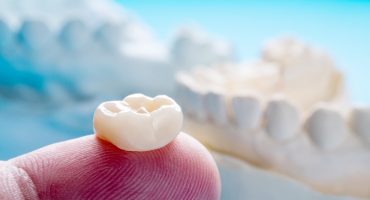
If the natural tooth crown, that is, the externally visible part of the tooth, is too badly damaged, the dentist often suggests the attachment a dental crown. This is the case when the tooth stump is still stable enough and at least 50 percent tooth substance is still present.
Methods and material
Read more: All-on-4 treatment concept
All-on-4 treatment concept
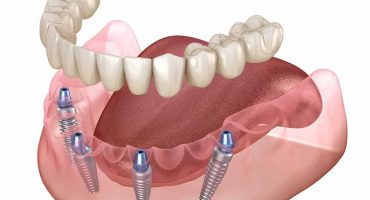
The All-on-4 treatment concept allows for complete edentulous fixed dentures, which is based on only four implants. The method provides a fast and secure way to secure dental care without the need for previous bone augmentation.