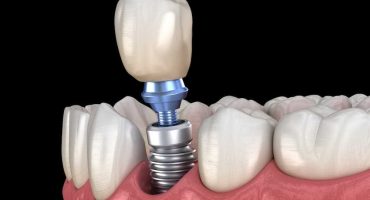
Losing a tooth changes more than your smile. It changes how you chew, how your jawbone is stimulated, and often how confident you feel talking to people. A dental implant replaces the root of a missing tooth with a small titanium post, then rebuilds the visible crown on top of it. This guide walks through the dental implant process from the first consultation to the final crown, so you know what each appointment actually involves, how long healing tends to take, and what can go wrong along the way.

The stages of dental implants follow a fairly consistent order across most implant centers, though the number of visits and the exact timeline depend on your bone quality, oral health, and whether extra procedures like grafting are needed. What follows is a step-by-step guide to that process, stage by stage.

The Stages of Dental Implants: An Overview

Most dental implant stages break down into six broad phases: consultation and planning, tooth removal (if a damaged tooth is still present), implant placement surgery, a healing period called osseointegration, abutment placement, and finally the crown placement that completes the restoration. Some patients skip stages — someone who already lost a tooth years ago and has healthy bone may go straight to placement surgery. Others need bone grafting first. The dental implant stages are personalized, but the underlying logic stays the same: the body needs time to fuse bone to titanium before it can bear the load of chewing.

Stage 1: Initial Consultation and Dental Assessment

Before anything is placed, an oral surgeon or implantologist needs a full picture of your dental history and current oral health. The initial consultation typically includes a visual exam of your teeth and gums, a review of medical history, and x-rays or a 3D scan of the jawbone. This assessment tells the dentist whether there is enough bone to anchor an implant, whether the gums are healthy, and whether any infection needs treatment first. Digital imaging has made this stage far more precise — advanced imaging and digital diagnostics let the surgeon map nerve position and bone density before a single incision is made. From this assessment, a treatment plan is drawn up covering the number of implants needed, whether grafting is required, and a rough timeline.

Stage 2: Tooth Removal and Bone Grafting

If a damaged tooth is still in place, it has to come out first. A tooth extraction under local anesthesia removes the root and any infected tissue, and the socket is left to begin healing before further work continues. For patients who have been missing a tooth for a while, or whose jawbone has thinned from long-term tooth loss, bone grafting adds material to build up the site so it can support an implant. Grafting can add several months to the overall timeline, since the graft itself needs to integrate with the existing bone before drilling begins. Not everyone needs this step — a recent extraction with a healthy socket may be ready for placement sooner. If a wisdom tooth is involved in the extraction, the process and recovery follow a similar pattern to wisdom teeth removal.

Stage 3: Implant Placement Surgery

Implant placement surgery is the step most people picture when they think of getting a dental implant. Under local anesthesia — sometimes with additional sedation options for anxious patients — the surgeon opens the gum, drills a precise channel into the jawbone, and places the titanium implant body into position. The gum is then closed over or around the implant, depending on the technique used. This surgery is usually completed in under an hour per implant site, though a full mouth restoration involving multiple implants, such as an all-on-4 treatment, takes longer. Mild swelling and minor discomfort afterward are normal; sharp or worsening pain is not, and is a sign to call your dentist.

Stage 4: Healing and Osseointegration

Once the implant is placed, the real work happens quietly, inside the bone. Osseointegration is the biological process by which the jawbone grows around and fuses to the titanium surface, essentially locking the implant into place the way a natural tooth root anchors into bone. This healing period generally takes a few months, and no permanent crown can go on top until the fusion is solid enough to bear normal biting force. During this stage, a temporary crown or a removable option may be used so you are not left with a visible gap. You can read more about how this fusion happens and what affects its success in our overview of osseointegration.

Stage 5: Abutment Placement

Once osseointegration is confirmed, usually through a follow-up x-ray and a check of implant stability, the next step is abutment placement. The abutment is a small connector piece that screws into the top of the implant and protrudes slightly above the gumline — it is what the crown will eventually attach to. Placing it is a minor procedure, often done under local anesthesia, and the gum tissue is left to heal around it for a short period, sometimes a couple of weeks, so it forms a snug natural-looking collar around the connector. In some cases the abutment is attached at the same time as the implant, which shortens the overall stages of dental implants by one appointment.

Final Restoration: Fitting Your Permanent Crown

After the gum has healed around the abutment, an impression or digital scan is taken to design the final crown — the prosthetic tooth that will actually be visible and do the chewing. This artificial tooth is shaped, shaded, and sized to blend in like natural teeth, so it should look and feel like the rest of your smile rather than standing out. The final restoration is checked for bite alignment before it is permanently cemented or screwed onto the abutment. This crown placement is the last clinical appointment in the process, though the dentist will usually schedule follow-up check-ups to confirm everything is settling well. If a crown alone is not the right solution for your situation, it is worth comparing options with a dental crown placed on a natural tooth versus one placed on an implant.

Post-Placement Care and Maintenance

An implant does not need special products, but it does need consistent oral hygiene. Brushing twice a day, flossing or using an interdental brush around the crown, and keeping up with regular check-ups let your dentist catch early signs of gum inflammation around the implant before they turn into a bigger problem. Avoid chewing hard foods directly on a new implant for the first few weeks after crown placement, and stick to soft foods immediately after surgery while the surgical site is still sensitive. Smoking is one of the clearest risk factors for implant failure, since it restricts blood flow to the gums and slows healing at every stage. Patients who follow their dentist's instructions and maintain good hygiene tend to see long-term success rates that hold up well — see our detailed breakdown of how long a dental implant lasts and what shortens or extends that lifespan.

Dental Implants Compared to Bridges and Crowns

An implant is not the only replacement tooth option. A dental bridge replaces a missing tooth by anchoring a false tooth to the neighboring natural teeth, which avoids surgery but requires grinding down healthy teeth for support. A crown, by contrast, does not replace a missing tooth at all — it caps and protects a tooth that is still there but damaged. Implants are generally the only solution that replaces both the root and the crown, which is why they tend to preserve jawbone density better than a bridge or denture over the long term. Understanding where your natural teeth and gums stand today, using a reference like a dental chart of tooth anatomy and numbering, helps when discussing which option fits your case with an implantologist.

Benefits of Dental Implants and Who Needs Them

People with one missing tooth, several missing teeth, or a full arch needing replacement can all be candidates, provided there is enough healthy bone or it can be built up through grafting. The main benefit is stability: an implant does not shift while eating the way a removable denture can, and it does not rely on neighboring teeth for support. Implants also help maintain jaw shape and facial structure, since the titanium post keeps stimulating the bone the way a natural root would. This branch of dentistry has become a standard option for replacing missing teeth rather than a last resort, and new patients often ask about coverage — it is worth checking your supplemental dental insurance plan options before committing to a treatment plan, since implant procedures are often only partially covered.

FAQ

What are dental implants?

A dental implant is a titanium post surgically placed into the jawbone to act as an artificial tooth root. Once it fuses with the bone through osseointegration, an abutment and a crown are attached on top, creating a replacement tooth that functions and looks like a natural one.

What is a dental crown?

A dental crown is a cap that covers a damaged, weakened, or misshapen tooth to restore its size, strength, and appearance. In implant dentistry, a crown is also the visible part attached to the abutment, serving as the final, permanent tooth replacement.

Before you start: what happens at the first assessment?

The first assessment includes a review of your dental history, an exam of your gums and remaining teeth, and x-rays or 3D imaging of the jawbone. This tells the surgeon whether you have enough bone for an implant, whether grafting is needed, and helps shape your treatment plan.

What can slow healing?

Smoking, poor oral hygiene, uncontrolled diabetes, and infection at the surgical site can all slow healing and interfere with osseointegration. Not following post-surgical instructions, such as eating hard foods too soon or skipping follow-up appointments, can also delay recovery or raise the risk of implant failure.

Stage 5: when is the final crown placed?

The final crown is placed only after the implant has fully fused with the jawbone and the abutment site has healed, which is confirmed through a follow-up exam. Placing it earlier risks loosening the implant before it can safely bear normal biting force.

Dental implant timeline: how long does each step take?

The consultation and planning stage takes one to a few visits. Extraction and any bone grafting, if needed, add extra healing time before placement surgery can happen. Osseointegration itself is the longest stretch, generally spanning several months, followed by a shorter healing window after abutment placement before the final crown is fitted.
Sources

Certified implantologists from our network

Every practice in our network is admitted only after meeting the quality criteria of Leading Implant Centers.

Find an implantologist near you

Our Scientific & Advisory Board developed these admission criteria and takes part in reviewing new member practices. Quality criteria · Scientific & Advisory Board