
Implant-supported dentures are prosthetic teeth anchored to dental implants placed in the jawbone, rather than resting on the gums the way a conventional denture does. Typical candidates are patients who have lost most or all of their natural teeth and want more stability than traditional dentures. Treatment usually places two to four implants per arch, and a denture base then attaches to abutments on top of them.

Overview of this article
Key Takeaways
- Implant-supported dentures provide more retention than traditional dentures.
- Candidates need adequate jawbone density; where bone loss has occurred, bone grafting may be needed before implant placement.
- Removable implant-supported overdentures snap onto a bar or ball attachment system and come out at night for cleaning.
- Fixed implant-supported dentures stay in place and are cleaned with daily brushing rather than removed.
- Cost depends on the number of implants, the attachment system chosen, and whether additional bone grafting is required.
How Do Implant-Supported Dentures Work?
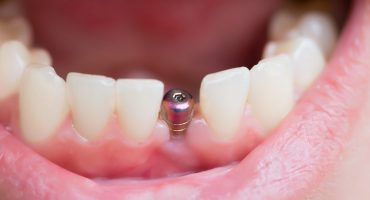
An implant supported denture relies on titanium posts placed surgically into the jaw, which fuse with the surrounding bone over several months in a process called osseointegration. Once healing is complete, small connectors called abutments are attached to the implants above the gumline.
The denture itself snaps, clips, or locks onto these abutments. Depending on the design, it may use a metal bar that spans several implants, individual ball attachments, or locator attachments built into the denture base. This connection is what gives the prosthesis stability during chewing that a denture resting on soft tissue alone cannot match.
Most patients receive either a removable overdenture, which can be taken out for cleaning, or a fixed implant-supported denture, which stays attached and is cleaned in place.
Who Is a Candidate for Implant-Supported Overdentures?
A good candidate has lost most or all of the natural teeth in an arch and has enough remaining jawbone to support implants. Overall health also matters, since healing after implant placement depends on the body's ability to repair tissue around the posts.
Dentists typically evaluate candidacy through a clinical exam, imaging of the jaw, and a review of medical history. Common factors considered include:
- Bone density in the area where implants would be placed
- Presence of bone loss or bone resorption from long-term denture wear
- Gum health and absence of active infection
- Ability to attend multiple appointments for planning and healing
- Whether narrow or thin jaw areas would need treatment options for narrow jaws before implant placement
Patients who have worn conventional dentures for many years often show more pronounced bone resorption, since the jawbone shrinks without the stimulation natural tooth roots once provided. In these cases, bone grafting can rebuild enough density to place implants.
Age alone is not usually a barrier; what matters clinically is bone quality, oral health, and whether the patient can maintain the prosthesis once it is placed.
Types of Overdentures
Overdentures are removable dentures that gain extra retention from an attachment system connected to implants, rather than suction or adhesive alone. The attachment system chosen affects how the prosthesis fits and how it is cleaned.
- Bar-retained overdentures: a metal bar connects two or more implants, and the denture clips onto the bar for even support across the arch.
- Ball attachment overdentures: each implant has a ball-shaped post that snaps into a matching socket inside the denture base.
- Locator attachment overdentures: a low-profile connector sits on each implant.
- Magnetic attachment overdentures: small magnets in the implant and denture hold the prosthesis in place.
Mandibular overdentures, placed in the lower jaw, are especially common because the lower arch typically provides less natural retention than the upper arch and patients often report more difficulty with a conventional lower denture. Maxillary implant-supported dentures are also used, though the upper jaw's natural suction sometimes allows a traditional denture to function reasonably well without implants.
How Is Treatment Planning and Placement Done?
Treatment planning starts with a clinical exam and imaging to assess available bone and plan implant positions. The process typically follows a set sequence:
- Initial consultation, including imaging and impressions of the existing arch.
- Treatment planning to determine the number of implants needed and the attachment system.
- Bone grafting, if bone loss means the ridge lacks sufficient density to support implants.
- Surgical placement of the implants into the jawbone under local anesthesia.
- A healing period, often several months, allowing the bone to integrate with the implants.
- Attachment of abutments once healing is confirmed.
- Fabrication of the denture base by a dental lab, followed by fitting and occlusal adjustment.
Implant placement is a surgical procedure, and patients considering oral surgery and dental implant procedures should expect a recovery window before the final prosthesis is attached.
What Happens During Recovery and Aftercare?
Recovery after implant placement typically involves mild swelling and soreness for several days, managed with standard pain relief. Most patients return to regular activity within a few days, though the bone needs months to fully integrate before the final denture is attached.
Once the prosthesis is in place, daily care looks different depending on the type chosen. Removable overdentures come out for cleaning, usually at night, so both the denture and the gums underneath can be brushed. Fixed implant-supported dentures stay attached and are cleaned with a brush and floss designed to reach under the prosthesis.
Regular checkups let the dental team review attachment wear, since clips and locator inserts can loosen over time and may need replacement. Good oral hygiene around the abutments helps prevent gum inflammation, which can otherwise affect the long-term stability of the implants.
What Are the Risks and Clinical Considerations?
Implant placement carries surgical risks similar to other oral surgery procedures, including infection, delayed healing, or in rare cases implant failure if osseointegration does not occur as expected. Clinical considerations also include the condition of the soft tissue and gums around the implants.
Patients with uncontrolled medical conditions affecting healing, or with insufficient bone density even after grafting, may need additional planning before implants are considered safe. Smoking and poor oral hygiene are commonly cited as factors that can affect healing and long-term implant success.
Patients should contact their dental team if a removable overdenture feels loose or if they notice soreness around an abutment.
What Are the Benefits of Implant-Supported Dentures?
The primary benefit is improved stability during chewing, since the prosthesis is anchored to implants rather than relying on suction or adhesive against the gums. This translates into fewer concerns about the denture shifting while eating.
Implant support also helps preserve the jawbone. Because the implants transmit chewing forces into the bone, they can slow the bone resorption that often continues under a conventional denture.
Other reported benefits include:
- Reduced need for denture adhesive compared with conventional dentures
- Easier chewing of a wider range of foods than with a loose traditional denture
How Do Implant-Supported Dentures Compare to Other Options?
Patients missing teeth across a full arch generally weigh three main options: conventional removable dentures, implant-supported overdentures, and fixed implant-supported dentures such as the All-on-4 treatment concept. Each differs in how it attaches, how it is cleaned, and how much it depends on the jawbone's remaining density.
| Feature | Conventional Dentures | Implant-Supported Overdentures | Fixed Implant-Supported Dentures |
|---|---|---|---|
| Attachment | Suction and adhesive on gums | Bar or ball attachment to implants | Screwed onto implants |
| Removable daily | Yes | Yes, usually at night | No |
| Bone preservation | Limited; bone resorption continues | Better, due to implant support | Better, due to implant support |
| Number of implants needed | None | Typically two to four | Typically four or more per arch |
Patients interested in a removable option with a different retention design sometimes also ask about a telescopic denture, which uses double crowns for retention.
How Much Do Implant-Supported Dentures Cost?
The cost of implant-supported dentures depends on the number of implants placed, the attachment system selected, whether bone grafting is needed, and the type of prosthesis chosen. A fixed full-arch solution generally costs more than a removable overdenture because it typically uses more implants. A bar-retained design generally costs more than a simple locator system because of the additional lab steps involved.
Patients comparing options across a full arch often review the full mouth dental implants cost guide for a broader breakdown of what influences pricing for multi-implant treatment plans. Maintenance costs also factor in over time, since attachment components inside a removable overdenture wear down and periodically need replacement.
Insurance coverage for implant-supported dentures varies by plan. Patients should request a written treatment plan with itemized costs before surgery so they can review what their coverage will and will not apply to.
The actual out-of-pocket cost depends heavily on individual treatment planning and the dental practice providing care.
Frequently Asked Questions
Do implant-supported dentures come out?
It depends on the type. Removable implant-supported overdentures snap onto implants and can be taken out, usually at night, for cleaning. Fixed implant-supported dentures are screwed onto the implants and stay in place, cleaned without removal.
Are implant-supported dentures effective?
For appropriately selected patients, implant-supported overdentures provide meaningfully more retention and chewing function than a conventional denture, according to clinical consensus guidance on edentulous jaw rehabilitation. Effectiveness still depends on adequate jawbone support, proper attachment maintenance, and regular dental follow-up.
What is the difference between All-on-4 and implant-supported dentures?
All-on-4 is a specific fixed, full-arch implant treatment that typically uses four implants per arch to support a non-removable prosthesis. Implant-supported dentures as a broader category also include removable overdentures that use an attachment system and come out for cleaning, which All-on-4 does not.
How long do implant-supported dentures last?
The implants themselves can function for many years with proper care, while the denture or overdenture base, along with its attachment components, typically needs adjustment, relining, or replacement sooner due to normal wear from daily use. Regular dental visits help catch wear in the attachment system before it affects fit.
What are the pros and cons of implant-supported dentures?
Advantages include improved stability, better chewing function, and reduced bone resorption compared with a conventional denture. Drawbacks include the need for surgery, a longer treatment timeline, and higher upfront cost than a traditional removable denture.
Sources
- Mandibular two implant-supported overdentures … the York Consensus Statement — British Dental Journal / BSSPD
- Interventions for replacing missing teeth: attachment systems for implant overdentures (Cochrane CD008001) — Cochrane Oral Health (via PMC)
- Removable and fixed implant-supported prostheses in edentulous jaws: post-loading implant loss — Clinical Oral Implants Research (via PMC)
- Dentures FAQ — American College of Prosthodontists
- Dental services — Medicare.gov (CMS)
- Medicare Dental Coverage — Centers for Medicare & Medicaid Services
Certified implantologists from our network
Every practice in our network is admitted only after meeting the quality criteria of Leading Implant Centers.
-
 Dr. Arnd Lohmann M.Sc.
Dental Practice Dr. Lohmann
Bremen, Germany
-
 Dr. Christoph T. Sliwowski
Dental Implant Clinic Düsseldorf
Düsseldorf, Germany
-
 Dr. Dr. Markus Glocker
Practice for Oral Surgery
Zurich, Switzerland
Find an implantologist near you



Our Scientific & Advisory Board developed these admission criteria and takes part in reviewing new member practices. Quality criteria · Scientific & Advisory Board
More articles
Methods and material
Read more: Osseointegration
Osseointegration
Osseointegration plays a significant role in the connection between implants and the jawbone. The technical term refers to the bony healing process of dental implants (ossification), which form a firm bond with the jawbone after ingrowth.

