
A dental bone graft rebuilds jawbone that has thinned or disappeared, most often to create a stable base for dental implants. If a periodontist or oral surgeon has told you that you need one before treatment can move forward, the idea of adding bone material to your jaw can sound more dramatic than it usually is in practice. This guide walks through why the jaw loses bone in the first place, the types of dental bone grafts available, what the appointment itself involves, and what recovery and cost typically look like.

Overview of this article
Why the Jaw May Need Dental Bone Grafting
Bone is living tissue, and the jawbone needs regular stimulation from tooth roots to stay dense. Once that stimulation disappears, the body starts to resorb bone in the area, sometimes within months. This matters most when a dental implant is planned, because an implant needs enough bone volume and density around it to fuse properly and support a crown, bridge, or full-arch restoration over the long term. Insufficient bone height or width is one of the most common reasons an implant treatment plan gets delayed until a graft has healed.
Common clinical situations that call for a graft include implant placement, ridge augmentation, sinus lift procedures, socket preservation right after an extraction, and periodontal surgery to treat advanced gum disease.
Do You Need a Dental Bone Graft Before Getting Implants?
Not every implant patient needs a dental bone graft. A periodontist or oral surgeon will usually take a 3D scan first to measure bone height, width, and density at the planned implant site. If the numbers fall short of what the implant system requires, grafting becomes part of the treatment plan rather than an optional extra. Patients considering options such as zygomatic implants or an all-on-4 full-arch restoration are sometimes able to avoid extensive grafting because these techniques anchor into denser areas of bone, but that decision still depends on an individual scan.
Tooth Loss, Gum Disease and Bone Loss in the Jaw
Two situations account for most bone loss in the jaw: tooth loss and periodontal disease. When a tooth is lost or extracted and not replaced quickly, the surrounding bone begins to shrink because it no longer has a root to support. This is one reason immediate implant placement right after extraction is often recommended where the site allows it — it can slow the bone loss that follows an empty socket.
Gum disease works differently but reaches the same result. Bacteria along the gum line trigger chronic inflammation that breaks down the ligament and bone holding teeth in place. Left untreated, periodontal disease is a leading cause of adult tooth loss, and by the time teeth become loose the underlying bone has usually already lost volume. Anyone noticing a loose or shifting tooth should have it assessed rather than waiting, since the bone loss behind it tends to progress.
Signs You May Need Bone Grafting
A few signs suggest bone loss has already reached a point where grafting will be part of the plan: a tooth socket that looks visibly sunken weeks after extraction, a denture that no longer fits snugly, gum recession that keeps exposing more root surface, or an implant consultation that reveals a jaw ridge too narrow to hold a standard implant. None of these are self-diagnosable with certainty — they need a scan and an exam by a specialist.
Types of Dental Bone Grafts and the Graft Material Used
The graft material placed in the jaw generally comes from one of four sources, and the choice depends on the size of the defect, the patient's health, and the surgeon's preference.
- Autograft: bone taken from the patient's own body, often the chin, jaw, or hip. It carries living cells that support new bone growth and carries no rejection risk, but it requires a second surgical site.
- Allograft: processed bone material from a human donor, screened and prepared by a tissue bank. It avoids a second surgery and is widely used for ridge preservation.
- Xenograft: bone material from an animal source, typically bovine, treated to remove organic content so only the mineral structure remains as a scaffold.
- Synthetic graft: lab-made materials such as calcium phosphate or hydroxyapatite that mimic natural bone structure.
Types of Dental Bone Grafts Compared
Each type of graft material behaves a little differently once it's in place. Autografts tend to integrate fastest because they contain living bone cells, but the second incision adds surgical time and a separate recovery area. Allografts and xenografts act mainly as a scaffold that the body's own bone grows into, and synthetic products are the most consistent in composition since they aren't sourced from tissue. A periodontist will often combine two types of graft material in one procedure to get both structure and healing support in the same site.
Sinus Lift and Ridge Preservation: Other Forms of Bone Grafting
A sinus lift adds bone material beneath the sinus floor in the upper jaw, where bone is often thin, before back upper implants are placed. Ridge preservation grafting fills a socket immediately after tooth extraction to stop the ridge from collapsing while a replacement tooth is planned — this is frequently discussed alongside options like a dental bridge when an implant isn't the immediate plan.
How Dental Bone Grafting Works: The Dental Bone Graft Procedure Explained
Most dental bone grafting is done under local anesthesia, sometimes combined with sedation depending on the extent of the surgery and patient anxiety. The surgical site is numbed first, and the surgeon confirms the treatment plan against the pre-operative scan before making an incision.
Step by Step: What Happens During the Dental Bone Graft Procedure
- The gum tissue is opened with a small incision to expose the area of the jaw that needs building up.
- The bone graft material — autograft, allograft, xenograft, or synthetic — is placed and shaped to fill the deficient area.
- A membrane is sometimes laid over the graft to keep soft tissue from growing into the space while new bone forms underneath.
- The gum is closed with sutures over the surgical site.
- Healing time follows before the site is reassessed, which is covered in more detail on the dental bone augmentation page.
Local Anesthesia and Sedation During Grafting
Smaller grafts, like filling a single extraction socket, are usually done with local anesthesia alone in an outpatient setting. Larger procedures, such as block grafts or a sinus lift, may involve additional sedation, and patients should expect to arrange a ride home if sedation is used.
Pain, Swelling and Recovery Time After Dental Bone Grafting
Most patients describe the days right after a graft as uncomfortable rather than sharply painful, since local anesthesia and prescribed pain medication cover the worst of it. Swelling and mild bruising around the jaw are common for the first two to three days and usually peak on day two before easing. A cold compress applied to the outside of the jaw and prescribed medications help keep discomfort manageable during that early window.
Recovery Diet and Activity After Bone Grafting
For the first week, a soft diet — yogurt, soup, mashed vegetables — protects the surgical site while the incision closes. Patients are usually told to avoid smoking, straws, and vigorous rinsing, since suction and heat can disturb the graft before it stabilizes. Light activity is fine after a day or two, but strenuous exercise is typically held off for one to two weeks to keep blood pressure, and swelling, down.
How Long Does Grafting Take to Heal?
Surface healing of the gum takes about two weeks. The graft material itself needs far longer to be replaced with the patient's own new bone — commonly four to six months for a socket graft — before an implant can be placed into it with confidence.
Risks, Complications and Side Effects of Dental Bone Grafts
Dental bone grafting is a routine part of implant dentistry, but like any surgical procedure it carries some risk. The most common complications include infection at the surgical site, graft material failing to integrate and being partially resorbed, swelling that lasts longer than expected, or the membrane becoming exposed through the gum before healing is complete. Smoking, uncontrolled diabetes, and certain medications that affect bone turnover all increase the risk of a complication and are usually discussed during the treatment plan.
Side effects in the first week — swelling, mild bruising, some oozing from the incision, and jaw stiffness — are expected and not the same as a complication. Warning signs that need a call to the provider include increasing pain after day three instead of improvement, pus or a bad taste from the site, fever, or a graft that feels loose. Caught early, most issues are manageable; ignored, they can mean the graft has to be redone.
Aftercare and Recovery Tips for Dental Bone Grafting Patients
Good aftercare has more influence on the outcome than almost any other factor a patient controls. The surgeon's written instructions typically cover:
- Taking prescribed antibiotics and pain medication on schedule, not just as needed
- Rinsing gently with a saline or prescribed antiseptic rinse starting a day or two after surgery
- Avoiding brushing directly over the surgical site for the first week while still keeping the rest of the mouth clean
- Sleeping with the head slightly elevated to reduce swelling
- Keeping every follow-up appointment so healing can be checked before the next treatment step
Oral hygiene around the rest of the mouth should continue as normal — skipping it increases bacteria near a healing graft, which raises infection risk. Patients already scheduled for other work, such as a professional teeth cleaning or crown placement, should let the team know a graft is healing so nothing is scheduled too soon over the site.
How Do You Know You Need a Dental Bone Graft, and What Does It Cost?
The decision comes down to imaging: a cone-beam scan shows whether the jaw has enough bone volume for the planned implant or restoration. If it doesn't, a dental professional will build grafting into the treatment plan before implant surgery, sometimes combining it with the implant placement in one visit and sometimes staging it months ahead.
Insurance and Cost Factors for a Dental Bone Graft
The cost of a dental bone graft depends on the type of graft material used, the size of the defect, whether sedation is needed, and whether the graft is done alongside an extraction or implant placement in the same appointment. Autografts tend to cost more because they require a second surgical site and more operating time; synthetic and allograft materials are often less expensive since there's no donor-site surgery involved. Dental insurance sometimes covers part of a graft when it's tied to a medically necessary procedure such as ridge preservation after an extraction, but coverage varies by plan and is worth confirming before treatment starts.
FAQ
How painful is a dental bone graft?
Most patients report discomfort rather than severe pain, since local anesthesia numbs the area during surgery and prescribed medication manages the days after. Swelling is usually the more noticeable issue in the first 48 to 72 hours, not sharp pain.
What are the potential benefits of a dental bone graft?
A successful graft rebuilds enough bone to support a dental implant that would otherwise fail, helps preserve the shape of the jaw and face after tooth loss, and can stop the progressive bone loss that follows an untreated extraction site or advanced gum disease.
How long does it take to recover from a dental bone graft?
Gum tissue over the site closes within about two weeks. Full integration of the graft material into new bone strong enough to support an implant generally takes four to six months for a smaller graft, longer for larger ridge or sinus grafts.
Is there anything I can do to make this treatment easier on me?
Following the aftercare instructions closely makes the biggest difference: take medications on schedule, stick to a soft diet the first week, avoid smoking and straws, keep the head elevated while sleeping, and attend every follow-up so any issue is caught early rather than after it has become a bigger problem.
Sources
- Dental Bone Graft — Cleveland Clinic
- Bone Grafts in Dental Medicine: An Overview of Autografts, Allografts and Synthetic Materials — PubMed Central (NIH)
- Dental Implants — StatPearls, NCBI Bookshelf (NIH)
- Dental Implant Surgery — American Association of Oral and Maxillofacial Surgeons (AAOMS)
- Dental Implants: Patient Information — American Academy of Periodontology (AAP)
Certified implantologists from our network
Every practice in our network is admitted only after meeting the quality criteria of Leading Implant Centers.
-
 Dr. Dirk Grünewald M.Sc. M.Sc.
Practice for Dental Medicine - Dres. Grünewald
Koblenz, Germany
-
 Dr. Curt Esswein M.Sc. M.Sc.
Practice for Implantology
Stuttgart, Germany
-
 Dr. Regine Dressler
Practice for esthetic and modern dentistry
Pfinztal, Germany
Find an implantologist near you


Our Scientific & Advisory Board developed these admission criteria and takes part in reviewing new member practices. Quality criteria · Scientific & Advisory Board
More articles

Methods and material
Read more: Dental crown
Dental crown
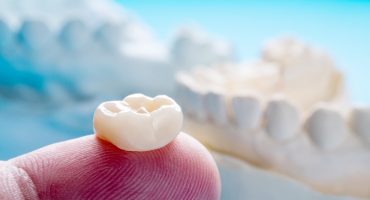
If the natural tooth crown, that is, the externally visible part of the tooth, is too badly damaged, the dentist often suggests the attachment a dental crown. This is the case when the tooth stump is still stable enough and at least 50 percent tooth substance is still present.